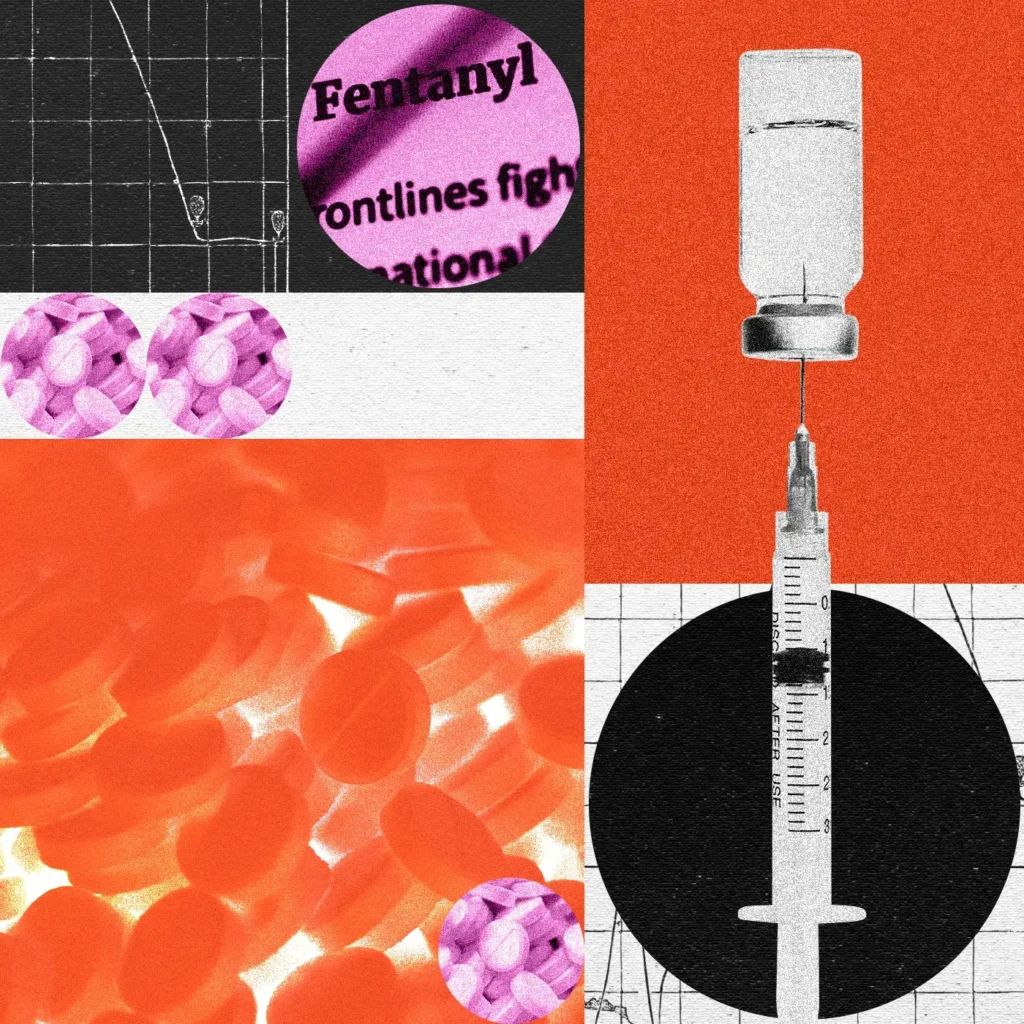
Breakthrough on the Horizon: The Dawn of the Fentanyl Vaccine
How a Novel Immunotherapy Aims to Create a “Biological Seatbelt” Against Synthetic Opioid Overdoses
The ongoing opioid crisis has long demanded innovation that goes far beyond traditional rehabilitation protocols and emergency reversal agents like naloxone. While harm reduction strategies have saved countless lives on the front lines, the sheer potency of synthetic opioids—most notably fentanyl and its analogs—presents a relentless, steep hill to climb for individuals striving for long-term recovery. The constant threat of a single, accidental exposure turning fatal creates an environment of hyper-vigilance and fear. Enter a radical new frontier in addiction medicine: immunopharmacology. A recent early-stage clinical trial has offered a glimmer of profound hope, demonstrating that a vaccine designed specifically to target fentanyl could soon become a viable weapon in the fight against overdose.
The concept sounds like science fiction, but the mechanism is entirely grounded in elegant, established immunology. Unlike traditional vaccines that train the immune system to recognize a biological pathogen like a virus or bacteria, this experimental formulation trains the body to identify a specific synthetic molecule. When administered, the vaccine stimulates the immune system to produce highly specialized antibodies that circulate continuously throughout the bloodstream. If fentanyl is subsequently introduced into the body—whether through intentional use or accidental contamination—these antibodies immediately mobilize, acting as a microscopic defense force.
This biological shield represents a massive paradigm shift in how we approach substance use disorders. Because the generated antibodies are engineered to be highly specific, they only latch onto the precise molecular structure of fentanyl and its immediate chemical relatives. This means the vaccine does not interfere with other opioid-based medications commonly used in medication-assisted treatment (MAT), such as methadone or buprenorphine, nor does it block standard emergency treatments like naloxone. It acts as a passive, continuous safety net, quietly circulating in the patient’s system to mitigate the risk of a relapse turning fatal, offering peace of mind to both patients and their families.
In the newly released data from the Phase I trial, researchers focused primarily on evaluating safety, tolerability, and the robustness of the immune response across a diverse cohort. The results were remarkably encouraging. Participants who received the vaccine showed high titers of anti-fentanyl antibodies without experiencing severe adverse side effects or systemic complications. While the sample size was understandably small—as is standard for early-stage human trials meant to establish baseline safety—the data strongly suggests that the vaccine can successfully induce the necessary immune defense without compromising the patient’s overall health or triggering autoimmune reactivity.
Of course, a successful Phase I trial is merely the first step on a long, heavily scrutinized regulatory pathway toward widespread clinical approval. Larger, multi-center Phase II and III trials will be required to prove the vaccine’s efficacy in real-world scenarios and determine how long the antibody protection lasts before a booster shot is needed to maintain immunity. Furthermore, medical ethicists and clinicians emphasize that a vaccine is not a standalone magic bullet for addiction; rather, it is a biological seatbelt. It must be paired with comprehensive psychological support, behavioral therapy, and socioeconomic resources to help individuals truly rebuild their lives. Nevertheless, for millions of families affected by the opioid epidemic, this experimental trial represents a monumental leap toward a safer future.
Link to the original article here:
https://www.nbcnews.com/health/health-news/experimental-fentanyl-vaccine-showed-promise-early-stage-trial-rcna350146